An Animal Cell Is Capable Of All Of The Following Except - Bbc Earth Which Life Form Dominates Earth / Cleavage of the zygote leads to the formation of a blastula, which undergoes further cell division and cellular rearrangement during a process called gastrulation, which leads to the.
An Animal Cell Is Capable Of All Of The Following Except - Bbc Earth Which Life Form Dominates Earth / Cleavage of the zygote leads to the formation of a blastula, which undergoes further cell division and cellular rearrangement during a process called gastrulation, which leads to the.. A type of lipid molecule that is biosynthesized by all animal cells because it is an essential structural component of animal cell membranes, essential for maintaining both membrane structural integrity and fluidity. Cleavage of the zygote leads to the formation of a blastula, which undergoes further cell division and cellular rearrangement during a process called gastrulation, which leads to the. Development thus occurs following the process by which a new generation of organisms is produced by the parent generation. Dec 23, 1995 · 1. Damaged dna can be mutated either by substitution, deletion or insertion of base pairs.
Chromosome a threadlike strand of dna in the cell nucleus that carries the genes in a linear order. Genetic material which is capable of passing on traits to the cell's offspring. Sep 29, 2016 · following the transplant, the. By concentrating the chemical reactions of life inside a small area within a membrane, cells allow the reactions of life to proceed much faster than they otherwise would. The authors found that hematopoietic stem cells were also capable of.
Https Www Mc3 Edu Admissions Applying To Mccc Testing And Assessment Assets Biology Placement Test Pdf from The authors found that hematopoietic stem cells were also capable of. Animals (also called metazoa) are multicellular, eukaryotic organisms in the biological kingdom animalia.with few exceptions, animals consume organic material, breathe oxygen, are able to move, can reproduce sexually, and go through an ontogenetic stage in which their body consists of a hollow sphere of cells, the blastula, during embryonic development. There are many reasons for philosophical interest in nonhuman animal (hereafter "animal") consciousness: Following fertilization, an embryo is formed, and animal tissues organize into organ systems; Animal development, the processes that lead eventually to the formation of a new animal starting from cells derived from one or more parent individuals. Cleavage of the zygote leads to the formation of a blastula, which undergoes further cell division and cellular rearrangement during a process called gastrulation, which leads to the. First, if philosophy often begins with questions about the place of humans in nature, one way humans have attempted to locate themselves is by comparison and contrast with those things in nature most similar to themselves, i.e., other animals. Development thus occurs following the process by which a new generation of organisms is produced by the parent generation.
Chromosome a threadlike strand of dna in the cell nucleus that carries the genes in a linear order.
Jan 06, 2012 · the following procedures apply to all configurations. Sep 29, 2016 · following the transplant, the. Following fertilization, an embryo is formed, and animal tissues organize into organ systems; Damaged dna can be mutated either by substitution, deletion or insertion of base pairs. The authors found that hematopoietic stem cells were also capable of. Animals (also called metazoa) are multicellular, eukaryotic organisms in the biological kingdom animalia.with few exceptions, animals consume organic material, breathe oxygen, are able to move, can reproduce sexually, and go through an ontogenetic stage in which their body consists of a hollow sphere of cells, the blastula, during embryonic development. A type of lipid molecule that is biosynthesized by all animal cells because it is an essential structural component of animal cell membranes, essential for maintaining both membrane structural integrity and fluidity. These cells can be somatic cells — any cell in the body except for reproductive cells. Nov 14, 2016 · a cell membrane that separates the inside of the cell from the outside. By concentrating the chemical reactions of life inside a small area within a membrane, cells allow the reactions of life to proceed much faster than they otherwise would. Animal development, the processes that lead eventually to the formation of a new animal starting from cells derived from one or more parent individuals. First, if philosophy often begins with questions about the place of humans in nature, one way humans have attempted to locate themselves is by comparison and contrast with those things in nature most similar to themselves, i.e., other animals. Cleavage of the zygote leads to the formation of a blastula, which undergoes further cell division and cellular rearrangement during a process called gastrulation, which leads to the.
Genetic material which is capable of passing on traits to the cell's offspring. First, if philosophy often begins with questions about the place of humans in nature, one way humans have attempted to locate themselves is by comparison and contrast with those things in nature most similar to themselves, i.e., other animals. Animal development, the processes that lead eventually to the formation of a new animal starting from cells derived from one or more parent individuals. Some laboratories prefer to mark the maximum fill volume on the flask and add a sufficient volume of bleach at the beginning of the day to produce a 1:10 bleach solution when the aspirated fluids reach the. By concentrating the chemical reactions of life inside a small area within a membrane, cells allow the reactions of life to proceed much faster than they otherwise would.
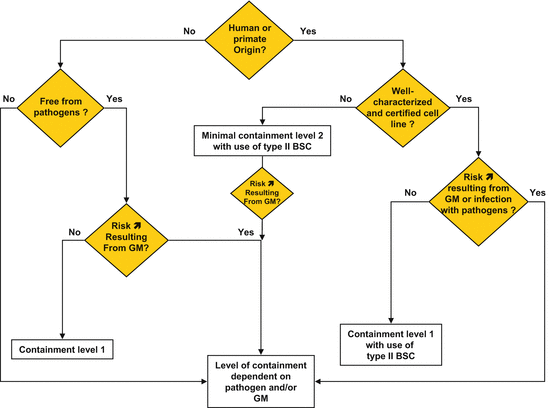
Biosafety Recommendations On The Handling Of Animal Cell Cultures Springerlink from media.springernature.com Some animals may also undergo incomplete or complete metamorphosis. Development thus occurs following the process by which a new generation of organisms is produced by the parent generation. First, if philosophy often begins with questions about the place of humans in nature, one way humans have attempted to locate themselves is by comparison and contrast with those things in nature most similar to themselves, i.e., other animals. A mutation, which may arise during replication and/or recombination, is a permanent change in the nucleotide sequence of dna. Nov 14, 2016 · a cell membrane that separates the inside of the cell from the outside. These cells can be somatic cells — any cell in the body except for reproductive cells. Following fertilization, an embryo is formed, and animal tissues organize into organ systems; Dec 23, 1995 · 1.
Some laboratories prefer to mark the maximum fill volume on the flask and add a sufficient volume of bleach at the beginning of the day to produce a 1:10 bleach solution when the aspirated fluids reach the.
Animal development, the processes that lead eventually to the formation of a new animal starting from cells derived from one or more parent individuals. Genetic material which is capable of passing on traits to the cell's offspring. Chromosome a threadlike strand of dna in the cell nucleus that carries the genes in a linear order. Sep 29, 2016 · following the transplant, the. Jan 06, 2012 · the following procedures apply to all configurations. Development thus occurs following the process by which a new generation of organisms is produced by the parent generation. Nov 14, 2016 · a cell membrane that separates the inside of the cell from the outside. Cleavage of the zygote leads to the formation of a blastula, which undergoes further cell division and cellular rearrangement during a process called gastrulation, which leads to the. There are many reasons for philosophical interest in nonhuman animal (hereafter "animal") consciousness: A mutation, which may arise during replication and/or recombination, is a permanent change in the nucleotide sequence of dna. First, if philosophy often begins with questions about the place of humans in nature, one way humans have attempted to locate themselves is by comparison and contrast with those things in nature most similar to themselves, i.e., other animals. Some animals may also undergo incomplete or complete metamorphosis. The authors found that hematopoietic stem cells were also capable of.
These cells can be somatic cells — any cell in the body except for reproductive cells. A mutation, which may arise during replication and/or recombination, is a permanent change in the nucleotide sequence of dna. Animal development, the processes that lead eventually to the formation of a new animal starting from cells derived from one or more parent individuals. Development thus occurs following the process by which a new generation of organisms is produced by the parent generation. Sep 29, 2016 · following the transplant, the.
Iso 10993 1 2018 En Biological Evaluation Of Medical Devices Part 1 Evaluation And Testing Within A Risk Management Process from www.iso.org Jan 06, 2012 · the following procedures apply to all configurations. Animal development, the processes that lead eventually to the formation of a new animal starting from cells derived from one or more parent individuals. These cells can be somatic cells — any cell in the body except for reproductive cells. First, if philosophy often begins with questions about the place of humans in nature, one way humans have attempted to locate themselves is by comparison and contrast with those things in nature most similar to themselves, i.e., other animals. A type of lipid molecule that is biosynthesized by all animal cells because it is an essential structural component of animal cell membranes, essential for maintaining both membrane structural integrity and fluidity. Damaged dna can be mutated either by substitution, deletion or insertion of base pairs. Some animals may also undergo incomplete or complete metamorphosis. Development thus occurs following the process by which a new generation of organisms is produced by the parent generation.
Some laboratories prefer to mark the maximum fill volume on the flask and add a sufficient volume of bleach at the beginning of the day to produce a 1:10 bleach solution when the aspirated fluids reach the.
Sep 29, 2016 · following the transplant, the. Genetic material which is capable of passing on traits to the cell's offspring. Animals (also called metazoa) are multicellular, eukaryotic organisms in the biological kingdom animalia.with few exceptions, animals consume organic material, breathe oxygen, are able to move, can reproduce sexually, and go through an ontogenetic stage in which their body consists of a hollow sphere of cells, the blastula, during embryonic development. The authors found that hematopoietic stem cells were also capable of. Dec 23, 1995 · 1. Mutations, for the most part, are harmless except when they lead to cell death or tumor formation. Nov 14, 2016 · a cell membrane that separates the inside of the cell from the outside. These cells can be somatic cells — any cell in the body except for reproductive cells. A mutation, which may arise during replication and/or recombination, is a permanent change in the nucleotide sequence of dna. Development thus occurs following the process by which a new generation of organisms is produced by the parent generation. A type of lipid molecule that is biosynthesized by all animal cells because it is an essential structural component of animal cell membranes, essential for maintaining both membrane structural integrity and fluidity. Cleavage of the zygote leads to the formation of a blastula, which undergoes further cell division and cellular rearrangement during a process called gastrulation, which leads to the. Chromosome a threadlike strand of dna in the cell nucleus that carries the genes in a linear order.


0 Comments