Plant Cell Wall Xylanase : Plant Cell Wall Mod / Understanding the structure of plant cell walls.watch the next lesson.. Xylanase enzymes of bacillus bacteria enable breakdown of plant cell walls without breaking down cellulose. In addition to the mechanical support, the wall acts as a a plant cell wall consists primarily of carbohydrates, like pectins, cellulose and hemicellulose. Architecture of plant cell walls for their material properties and. These are absent in eukaryotic organisms. Digestibility, we are just beginning to understand some aspects of.
In plants, the cell wall is composed mainly of strong fibers of the carbohydrate polymer cellulose. Plant cells have a cell wall, a large central vacuole, and plastids such as chloroplasts. The eukaryotic cells have a proper nucleus along with a nuclear membrane. Architecture of plant cell walls for their material properties and. Many microorganisms produce xylanase, but mammals do not.
Lecture notes on plant structure (download document it is ... from www.writework.com Along with protecting the intracellular contents, the structure bestows rigidity to the plant, provides a porous medium for the circulation and distribution of water, minerals, and other nutrients, and houses specialized molecules that regulate growth and. Plant cells are eukaryotic cells with a true nucleus along with specialized structures called organelles that carry out certain plant cell wall. Parallel pathways of xylose metabolism identified in fungi that grow on plants can be used in yeast to promote hemicellulose conversion to biofuels. Plant cell walls are necessary to prevent dehydration and maintain physical integrity. They are conventionally divided into three. The cell wall must also retain some flexibility, such that when subjected to developmental, biotic, or abiotic stimuli it can. 1.8.3 xylan acetylation 1.9 xylan modification 1.9.1 proteins in the cell wall 1.9.2 microbial xylan modifying enzymes 1.9.3 plant xylanases. These are absent in eukaryotic organisms.
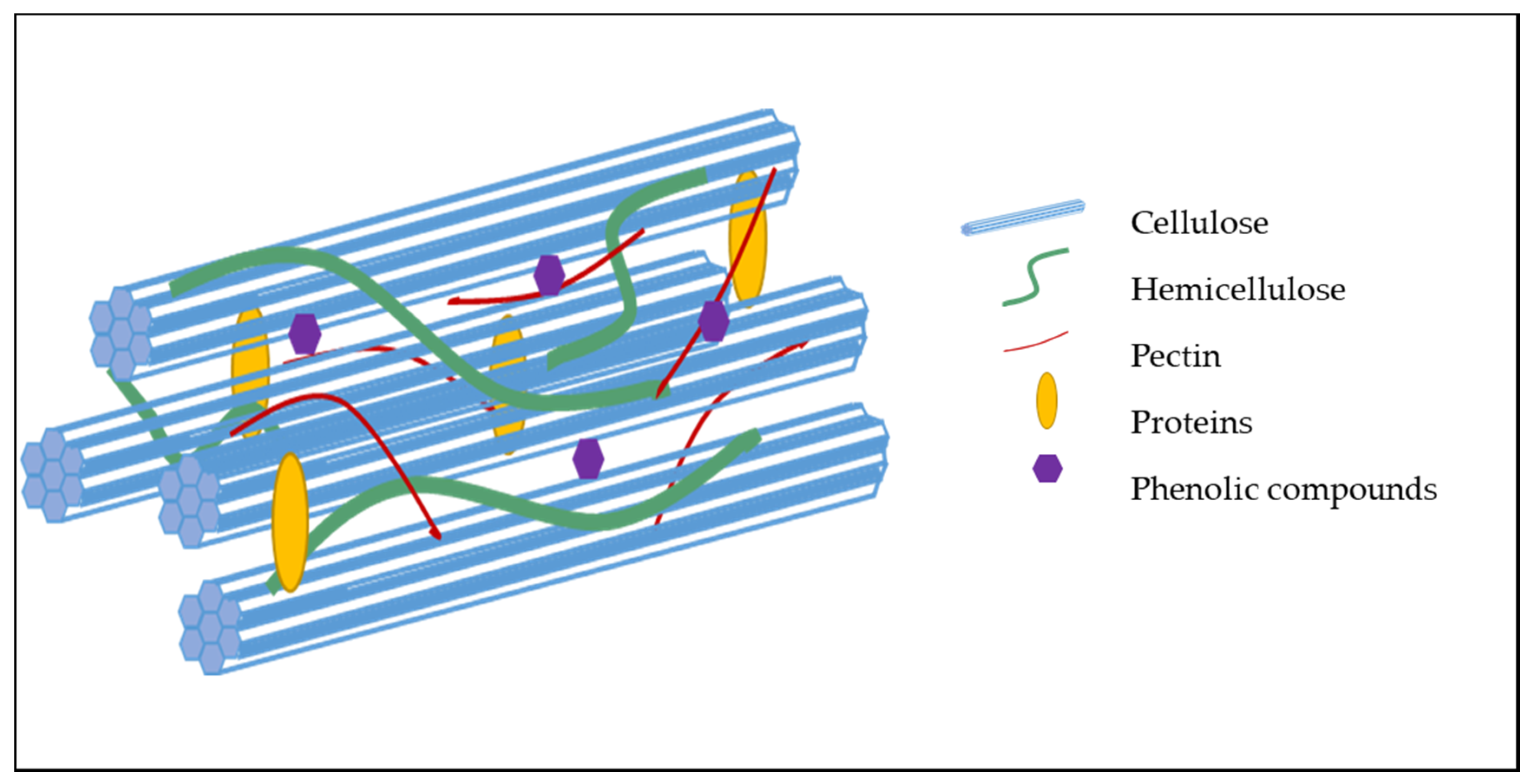
These xylanases usually contain only the catalytic domain, although there are exceptions, as in the case of xylanase tfxa of thermomonospora degradation of plant cell wall polysaccharides. Plant cell walls are necessary to prevent dehydration and maintain physical integrity. These are absent in eukaryotic organisms. Cellulose, the main structural component of plant cell walls, is the most abundant carbohydrate polymer in nature. The eukaryotic cells have a proper nucleus along with a nuclear membrane. Plant cells have a cell wall, a large central vacuole, and plastids such as chloroplasts. The plant cell wall serves a variety of functions. The cell wall must also retain some flexibility, such that when subjected to developmental, biotic, or abiotic stimuli it can. In nature, some plant consumers or pathogens use xylanase to digest or attack plants. Heat map of the enzymatic activity of fungi, eubacteria and actinomycetes by sample type (blue represents the lower activity whereas red represents higher. These supramolecular structures are composed of complex heterogeneous networks primarily consisting of cellulose. Many microorganisms produce xylanase, but mammals do not. Plant cells are eukaryotic cells with a true nucleus along with specialized structures called organelles that carry out certain plant cell wall.
It is located outside the cell membrane. They also act as a physical barrier to attack by plant pathogens. Understanding the structure of plant cell walls.watch the next lesson. Digestibility, we are just beginning to understand some aspects of. From the outermost layer of the cell wall, these layers are identified as the.
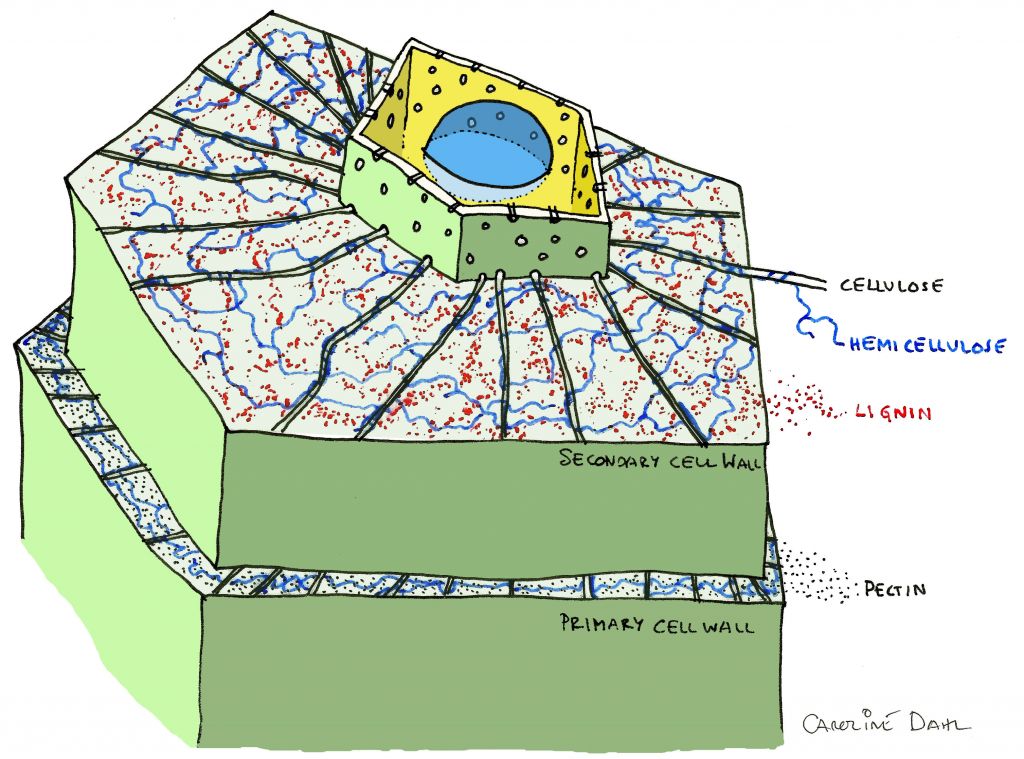
Foods | Free Full-Text | Plant Cell Walls: Impact on ... from www.mdpi.com The cell wall is a rigid and protective outer covering commonly found in both prokaryotic and eukaryotic organisms such as plants, fungi, algae, bacteria, and archaea, but is absent in all animal cells. Plant cell walls are comprised of cellulose and hemicellulose and other polymers that are intertwined, and this complex in this study, we determined the synergistic effects on corn cell wall degradation by the action of cellulosomal xylanase xyna and cellulosomal cellulases from clostridium cellulovorans. Heat map of the enzymatic activity of fungi, eubacteria and actinomycetes by sample type (blue represents the lower activity whereas red represents higher. It is a rigid layer that is composed of cellulose, glycoproteins, lignin, pectin and hemicellulose. Plant cell wall research at the ccrc is carried out by six independently funded groups. They also act as a physical barrier to attack by plant pathogens. The cell wall is a rigid layer that is found outside the cell membrane and surrounds the cell, providing structural support and protection. I'm looking at right now and it's able to grow and be upright and so you have the cell wall you have the cellular membrane you have the other organelles i have some chloroplasts here key for photosynthesis have my our good friends mitochondria we have.
I'm looking at right now and it's able to grow and be upright and so you have the cell wall you have the cellular membrane you have the other organelles i have some chloroplasts here key for photosynthesis have my our good friends mitochondria we have.
Plant cells are eukaryotic cells with a true nucleus along with specialized structures called organelles that carry out certain plant cell wall. It is located outside the cell membrane. For example, the cell wall can keep pathogens like plant viruses from entering. The cell wall is a rigid layer that is found outside the cell membrane and surrounds the cell, providing structural support and protection. I'm looking at right now and it's able to grow and be upright and so you have the cell wall you have the cellular membrane you have the other organelles i have some chloroplasts here key for photosynthesis have my our good friends mitochondria we have. Plant cell wall polysaccharides are the most abundant organic compounds found in nature. Register free for online tutoring only plants contain cell walls. The plant cell wall biology studies require more sensitive and specific probes to target individual wall components. Understanding the structure of plant cell walls.watch the next lesson. These are absent in eukaryotic organisms. In nature, some plant consumers or pathogens use xylanase to digest or attack plants. In plants, the cell wall is composed mainly of strong fibers of the carbohydrate polymer cellulose. Pattern of enzymatic degradation of plant cell wall components for the fungal and bacterial isolates obtained from passalid beetles.
The cell wall is a rigid and protective outer covering commonly found in both prokaryotic and eukaryotic organisms such as plants, fungi, algae, bacteria, and archaea, but is absent in all animal cells. Heat map of the enzymatic activity of fungi, eubacteria and actinomycetes by sample type (blue represents the lower activity whereas red represents higher. These are absent in eukaryotic organisms. Digestibility, we are just beginning to understand some aspects of. Plant cells have a cell wall, a large central vacuole, and plastids such as chloroplasts.
microbiology - Do all parts of a plant contain the same ... from i.stack.imgur.com It also has structural proteins in smaller amounts and some. For example, the cell wall can keep pathogens like plant viruses from entering. Architecture of plant cell walls for their material properties and. The cell wall must also retain some flexibility, such that when subjected to developmental, biotic, or abiotic stimuli it can. Traditionally, antibodies have been the primary workhorses for the spatial localization of cell wall polysaccharides. 1.8.3 xylan acetylation 1.9 xylan modification 1.9.1 proteins in the cell wall 1.9.2 microbial xylan modifying enzymes 1.9.3 plant xylanases. Plant cell wall research at the ccrc is carried out by six independently funded groups. Cellulose, the main structural component of plant cell walls, is the most abundant carbohydrate polymer in nature.
Plant cell walls are necessary to prevent dehydration and maintain physical integrity.
The plant cell wall serves a variety of functions. It is a rigid layer that is composed of cellulose, glycoproteins, lignin, pectin and hemicellulose. Fungi are potentially useful for. Understanding the structure of plant cell walls.watch the next lesson. It provides a structural framework to support plant growth and acts as the first line of defense when the plant encounters pathogens. The plant cell wall has a diversity of functions. For example, the cell wall can keep pathogens like plant viruses from entering. Plant cells have a cell wall, a large central vacuole, and plastids such as chloroplasts. These supramolecular structures are composed of complex heterogeneous networks primarily consisting of cellulose. The cell wall must also retain some flexibility, such that when subjected to developmental, biotic, or abiotic stimuli it can. Xylanase (ec 3.2.1.8) is any of a class of enzymes that degrade the linear polysaccharide xylan into xylose, thus breaking down hemicellulose, one of the major components of plant cell walls. It is found in plants, in the secondary cell walls of dicots and all cell walls of grasses. Traditionally, antibodies have been the primary workhorses for the spatial localization of cell wall polysaccharides.


0 Comments