Plant Cell Versus Animal Cell Diagram : Animal And Plant Cells Doodle Diagrams Store Science And Math With Mrs Lau : Closed circulatory system open circulatory system …
Plant Cell Versus Animal Cell Diagram : Animal And Plant Cells Doodle Diagrams Store Science And Math With Mrs Lau : Closed circulatory system open circulatory system …. Different types of cell have cell walls made up of different materials; Plant cells the cell wall. The cell wall is a rigid covering that protects the cell, provides structural support, and gives shape to the cell. (these cannot be observed with the light microscope.) label figure 7 with the stages of cell cycle (interphase, g1, s, g2, m). Humans have a closed circulatory system, while many mollusks and other invertebrates have an open system.
What specific functions occur during interphase that prepare the cell for division. An increase of turgor pressure causes expansion of cells and extension of apical cells, pollen tubes, and in other plant structures such as root tips. Plant cells the cell wall. The following image is a diagram of the closed circulatory system in a human. In figure 1b, the diagram of a plant cell, you see a structure external to the plasma membrane called the cell wall.
2 1 7 Animal Vs Plant Cells Youtube from i.ytimg.com Different types of cell have cell walls made up of different materials; Closed circulatory system open circulatory system … How does cytokinesis differ between plant cells and animal cells? Humans have a closed circulatory system, while many mollusks and other invertebrates have an open system. (these cannot be observed with the light microscope.) label figure 7 with the stages of cell cycle (interphase, g1, s, g2, m). The cell wall acts to protect the cell mechanically and chemically from its environment, and is an additional layer of protection to the cell membrane. The resulting sugars are now adjacent to the leaf veins and can readily be transported throughout the plant. An increase of turgor pressure causes expansion of cells and extension of apical cells, pollen tubes, and in other plant structures such as root tips.
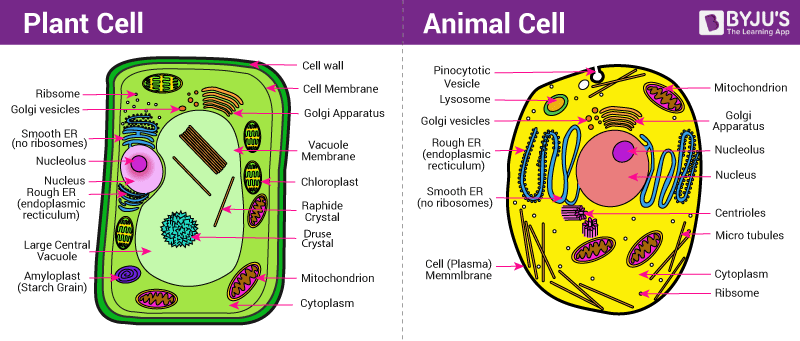
Plant and animal cell organelles.
In figure 1b, the diagram of a plant cell, you see a structure external to the plasma membrane called the cell wall. These cells tend to be larger than the cells of bacteria, and have developed specialized packaging and transport mechanisms that may be necessary to support their larger size. Plant cells the cell wall. Plant cell walls are primarily made up of cellulose , fungi cell walls are made up of chitin and bacteria cell walls are. In a closed circulatory system, blood is enclosed within blood vessels. The following image is a diagram of the closed circulatory system in a human. Apr 24, 2019 · organisms have different forms of circulatory systems. How does cytokinesis differ between plant cells and animal cells? From this reference atlas, the molecular pathways underpinning coral reef building, specialized immune cells, and the metabolic programs involved in symbiosis between coral and algae partners are described. Plant and animal cell organelles. Different types of cell have cell walls made up of different materials; (these cannot be observed with the light microscope.) label figure 7 with the stages of cell cycle (interphase, g1, s, g2, m). An increase of turgor pressure causes expansion of cells and extension of apical cells, pollen tubes, and in other plant structures such as root tips.
What specific functions occur during interphase that prepare the cell for division. In a closed circulatory system, blood is enclosed within blood vessels. The cell wall is a rigid covering that protects the cell, provides structural support, and gives shape to the cell. Closed circulatory system open circulatory system … Apr 24, 2019 · organisms have different forms of circulatory systems.
Difference Between Plant And Animal Cell Are Explained In Detail from cdn1.byjus.com The cell wall is a rigid covering that protects the cell, provides structural support, and gives shape to the cell. What specific functions occur during interphase that prepare the cell for division. In a closed circulatory system, blood is enclosed within blood vessels. Plant cells the cell wall. From this reference atlas, the molecular pathways underpinning coral reef building, specialized immune cells, and the metabolic programs involved in symbiosis between coral and algae partners are described. The following image is a diagram of the closed circulatory system in a human. How does cytokinesis differ between plant cells and animal cells? Turgor pressure's actions on extensible cell walls is usually said to be the driving force of growth within the cell.
(these cannot be observed with the light microscope.) label figure 7 with the stages of cell cycle (interphase, g1, s, g2, m).
An increase of turgor pressure causes expansion of cells and extension of apical cells, pollen tubes, and in other plant structures such as root tips. Fungal cells and some protist cells also have cell walls. Plant cell walls are primarily made up of cellulose , fungi cell walls are made up of chitin and bacteria cell walls are. Plant cells the cell wall. Humans have a closed circulatory system, while many mollusks and other invertebrates have an open system. The cell wall acts to protect the cell mechanically and chemically from its environment, and is an additional layer of protection to the cell membrane. The resulting sugars are now adjacent to the leaf veins and can readily be transported throughout the plant. How does cytokinesis differ between plant cells and animal cells? In a closed circulatory system, blood is enclosed within blood vessels. From this reference atlas, the molecular pathways underpinning coral reef building, specialized immune cells, and the metabolic programs involved in symbiosis between coral and algae partners are described. Turgor pressure's actions on extensible cell walls is usually said to be the driving force of growth within the cell. In figure 1b, the diagram of a plant cell, you see a structure external to the plasma membrane called the cell wall. Different types of cell have cell walls made up of different materials;
The cell wall is a rigid covering that protects the cell, provides structural support, and gives shape to the cell. From this reference atlas, the molecular pathways underpinning coral reef building, specialized immune cells, and the metabolic programs involved in symbiosis between coral and algae partners are described. Closed circulatory system open circulatory system … These cells tend to be larger than the cells of bacteria, and have developed specialized packaging and transport mechanisms that may be necessary to support their larger size. Apr 24, 2019 · organisms have different forms of circulatory systems.
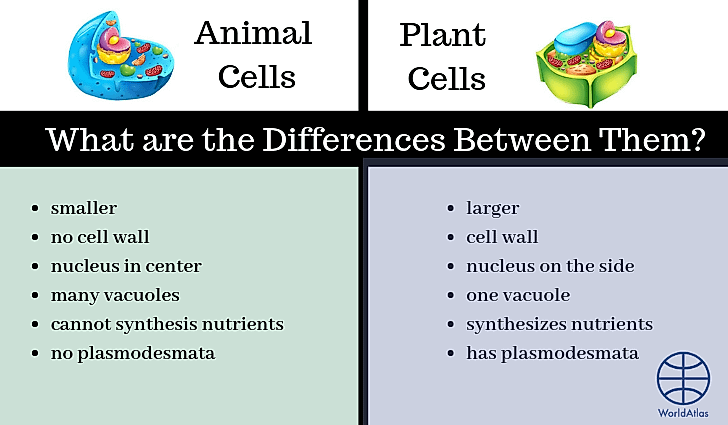
What Are The Differences Between Plant Cells And Animal Cells Worldatlas from www.worldatlas.com Fungal cells and some protist cells also have cell walls. How does cytokinesis differ between plant cells and animal cells? Plant cells the cell wall. The cell wall is a rigid covering that protects the cell, provides structural support, and gives shape to the cell. Humans have a closed circulatory system, while many mollusks and other invertebrates have an open system. Turgor pressure's actions on extensible cell walls is usually said to be the driving force of growth within the cell. Plant cell walls are primarily made up of cellulose , fungi cell walls are made up of chitin and bacteria cell walls are. Different types of cell have cell walls made up of different materials;
How does cytokinesis differ between plant cells and animal cells?
From this reference atlas, the molecular pathways underpinning coral reef building, specialized immune cells, and the metabolic programs involved in symbiosis between coral and algae partners are described. In figure 1b, the diagram of a plant cell, you see a structure external to the plasma membrane called the cell wall. These cells tend to be larger than the cells of bacteria, and have developed specialized packaging and transport mechanisms that may be necessary to support their larger size. Plant and animal cell organelles. Plant cells the cell wall. Different types of cell have cell walls made up of different materials; An increase of turgor pressure causes expansion of cells and extension of apical cells, pollen tubes, and in other plant structures such as root tips. The cell wall acts to protect the cell mechanically and chemically from its environment, and is an additional layer of protection to the cell membrane. (these cannot be observed with the light microscope.) label figure 7 with the stages of cell cycle (interphase, g1, s, g2, m). How does cytokinesis differ between plant cells and animal cells? Closed circulatory system open circulatory system … The cell wall is a rigid covering that protects the cell, provides structural support, and gives shape to the cell. Apr 24, 2019 · organisms have different forms of circulatory systems.
The resulting sugars are now adjacent to the leaf veins and can readily be transported throughout the plant plant cell versus animal cell. Plant cell walls are primarily made up of cellulose , fungi cell walls are made up of chitin and bacteria cell walls are.



0 Comments