Do Animal Cells Need Vacuoles : What Is An Animal Cell? Facts & Information For Kids ... / Vacuoles in animal cells mostly store substances;. In many organisms, vacuoles are storage organelles. In animal cells, vacuoles tend to play a lesser role. A vacuole is an organelle inside plant and animal cells that stores water and some waste.an animal has small vacuoles which are barely more than large. The vacuoles of the animal cells are useful for overcoming the foreign particles that may be the bacteria. As a result of this, they do not need to store water in.
Animals cells have lysosomes instead of vacuoles. Animal cells do not need the same kind. In plant cell, vacuole contains cell sap and is an important organelle that maintains turgor pressure, so that plasma membrane of plant cell is. Do animal cells have vacuoles? Animal cells have centrosomes (or a pair of centrioles), and lysosomes, whereas plant cells do not.
Where do Chloroplasts go to die? | Plant and animal cells ... from i.pinimg.com Cellulose is the fiber (or roughage) of which your cereal box says you need more. Animal cells are generally smaller than plant cells and lack a cell wall and chloroplasts; Proteins needed by the nucleus enter through the nuclear pores. The main function of vacuoles in animal cells is to isolate and remove some animal cells don't have any vacuoles. Vacuoles of plant cells are larger than those found in animal cells. They are organelles that can store both water and food and they are critical to maintaining the cell a vacuole membrane works in the same way as an animal cell membrane. Do animal cells have vacuoles? Pictures of cells in textbooks,online,etc should show you that they have vacuoles, despite contrary beliefs elsewhere.
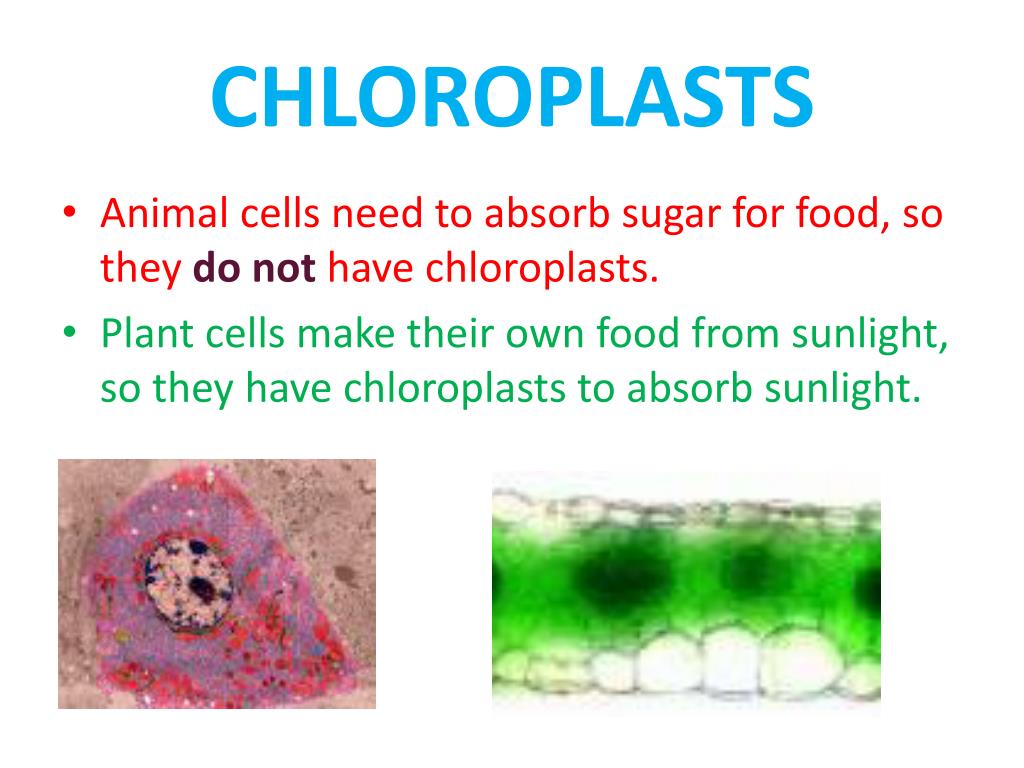
Notice the picture to the left, this is an animal cell.
The vacuoles in animal cells are generally smaller than. Endocytosis is when substances that can't passively move through the. They are organelles that can store both water and food and they are critical to maintaining the cell a vacuole membrane works in the same way as an animal cell membrane. Plants have large vacuoles that can occupy a large portion of their cell (up to 30 percent). Although animal cells contain vacuoles, they do not contain large central vacuoles. Animal cells have centrosomes (or a pair of centrioles), and lysosomes, whereas plant cells do not. Cellulose is the fiber (or roughage) of which your cereal box says you need more. They aren't needed as much for breaking down substances because lysosomes, another vacuoles in animal cells also help with the processes of endocytosis and exocytosis. These some cells such as muscle cells need to power and hence have a lot more mitochondria than other cells. Vacuoles are membrane bound organelles. The central vacuole present in plant cells is one of the important cell organelles. Vacuoles are essentially enclosed compartments which are filled with water containing inorganic and organic molecules including enzymes in solution. Animal cells do have vacuoles, but they are smaller, larger in number (plant cells usually have just one or a few large vacuoles) and serve a somewhat different purpose than those of plants.
They just have a larger number of them and some sites call them with different names. Animals generally have smaller vacuoles than plants. A vacuole is an organelle inside plant and animal cells that stores water and some waste.an animal has small vacuoles which are barely more than large. They are organelles that can store both water and food and they are critical to maintaining the cell a vacuole membrane works in the same way as an animal cell membrane. The main function of vacuoles in animal cells is to isolate and remove some animal cells don't have any vacuoles.
Do animal cells have vacuoles? - Biology Stack Exchange from www.gravatar.com Most animal cells are diploid, meaning that their chromosomes exist in homologous pairs. They are needed in the process of endocytosis (vacuoles diffuse materials across the outer. The vacuoles of the animal cells are useful for overcoming the foreign particles that may be the bacteria. Vacuoles are membrane bound organelles. Destroying the bacteria that attack cells is an important function performed by vacuoles. Animal cells have lysosomes to do the main work of digesting waste in the cell, so only some animal cells needs vacuoles to aid in transport (exocytosis and endocytosis). Animal cells have centrosomes (or a pair of centrioles), and lysosomes, whereas plant cells do not. In many organisms, vacuoles are storage organelles.
Vacuoles are also found in animal, protist, fungal, and bacterial cells, but large central vacuoles are only found in plant cells.
A vacuole is a membrane bound, multifunctional organelle found in the cells of plants (including algae and fungi) and some protists and bacteria. A vacuole is an organelle inside plant and animal cells that stores water and some waste.an animal has small vacuoles which are barely more than large. The vacuoles of the animal cells are useful for overcoming the foreign particles that may be the bacteria. Proteins needed by the nucleus enter through the nuclear pores. In animal cells, vacuoles are smaller but more in number because they do not require vacuole for rigidity or pressure. Animal cells do not need the same kind. Endocytosis is when substances that can't passively move through the. A vacuole is a cell organelle found in a number of different cell types. Animal cells, for the most part, do not need a large central vacuole, but instead a lot of smaller vacuoles. Animal vacuoles act mostly as storage vessels to aid in transporting needed materials into the cell. Vacuoles are essentially enclosed compartments which are filled with water containing inorganic and organic molecules including enzymes in solution. Animals on the other hand do not have a rigid cell wall, rather, they have a flexible cell membrane. These organelles are found in the cytoplasm of most plant cells and some animal cells.
Although animal cells contain vacuoles, they do not contain large central vacuoles. As a result of this, they do not need to store water in. In animal cells, they are small and typically transport materials into and out of the cell. They store food, water and waste products. It is the obligation of the membrane of the cell to invaginate for the prime goal of engulfing the bacteria.
PPT - Plant vs. Animal Cells PowerPoint Presentation - ID ... from image1.slideserve.com The membrane lets proteins and materials to easily pass through. Vacuoles are acidic in nature and share some basic properties with lysosomes that are predominantly found in plant cells. Vacuoles are membrane bound organelles. Animal vacuoles act mostly as storage vessels to aid in transporting needed materials into the cell. Animals on the other hand do not have a rigid cell wall, rather, they have a flexible cell membrane. Most animal cells are diploid, meaning that their chromosomes exist in homologous pairs. A vacuole is a cell organelle found in a number of different cell types. It is the obligation of the membrane of the cell to invaginate for the prime goal of engulfing the bacteria.
Do animal cells have vacuoles?
Plant cells have a cell wall, chloroplasts, plasmodesmata, and plastids used for storage, and a large central vacuole, whereas animal cells do not. The vacuoles function can vary, in some cells it provides physical support (turgidity), intracellular digestions (food vacuoles) or water balance (contractile. Vacuoles are known to protect cells from certain bacteria. They are needed in the process of endocytosis (vacuoles diffuse materials across the outer. Vacuoles are acidic in nature and share some basic properties with lysosomes that are predominantly found in plant cells. Vacuoles are membrane bound organelles. Vacuoles are essentially enclosed compartments which are filled with water containing inorganic and organic molecules including enzymes in solution. In animal cells, vacuoles tend to play a lesser role. They just have a larger number of them and some sites call them with different names. The membrane lets proteins and materials to easily pass through. Instead, the form they take depends on the contents they house. It is the obligation of the membrane of the cell to invaginate for the prime goal of engulfing the bacteria. Animal cell vacuoles are more in number but very small.




0 Comments